Understanding swing speed is a game-changer in golf, whether you’re picking your next club or working on your technique at the range. I’ve spent years experimenting with different setups, and I can tell you that swing speed influences more than just raw distance. The way you approach it makes a real difference to your consistency and overall game. Here’s my look at why your swing speed matters, what it affects, and how you can use this knowledge to up your game.
Why Swing Speed Matters in Golf
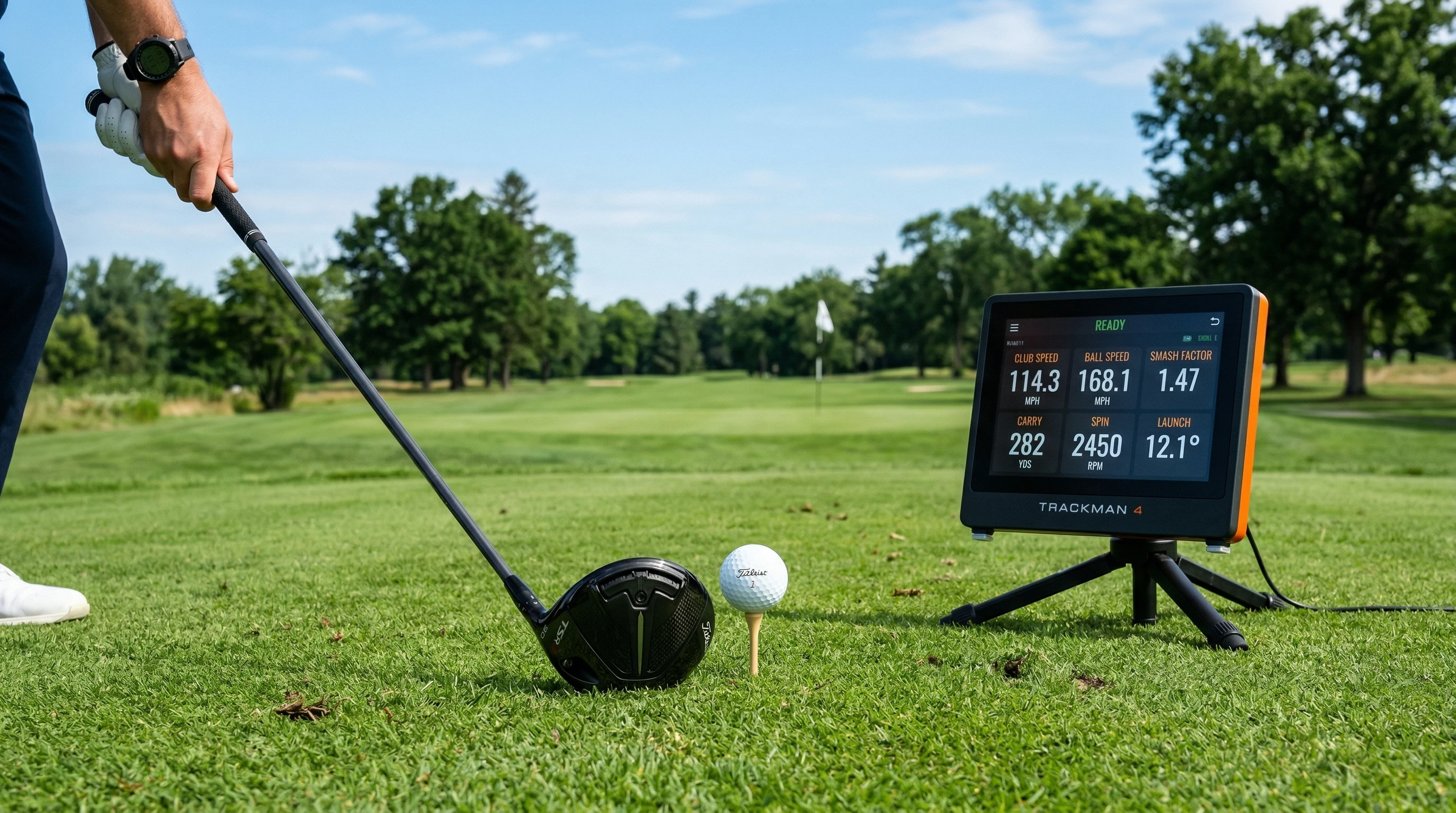
Swing speed simply means how fast you move the club head through the ball at impact. It’s usually measured in miles per hour (mph). For most recreational golfers, driver swing speeds hang in the 80 to 100 mph range, while pros often break 110 mph. Even a small jump in swing speed can bring you an extra ten or twenty yards off the tee, but the influence goes deeper than that.
Club makers and instructors use swing speed as a key factor for fitting clubs and building swings. That’s because your optimal equipment and ball flight often depend on this one number. Faster speeds generate more potential distance, but they also demand a matching shaft, ball type, and even clubface angle. Slower speeds might reduce carry distance, but you can still get outstanding results with the right setup and a solid strike.
Swing speed isn’t about swinging harder; it’s about moving efficiently and effectively through your shot. If you’re curious how your speed compares, there are plenty of affordable swing speed radars and launch monitors worth checking out. These tools can help you set benchmarks and track your improvements over time.
Breaking Down the Mechanics: What Affects Your Swing Speed?
Your equipment, physical strength, flexibility, and even timing all play a part in how fast you move the club. I’ve learned that it’s not just about brute force. Here are some of the main contributors:
- Club Length: Longer clubs tend to produce slightly more speed, although they can be harder to control.
- Club Weight and Flex: Lighter shafts or more flexible ones can boost speed if they match your tempo, though they might sacrifice accuracy for some golfers.
- Body Rotation: Turning your hips and shoulders together smoothly helps generate speed from the ground up, not just your arms.
- Grip Pressure: Gripping too tight actually slows you down. Relaxed hands move faster and hit more solid shots.
- Timing and Rhythm: Even tempo and proper sequencing, like firing your hips before your hands, delivers natural speed without extra effort.
How Swing Speed Impacts Ball Flight and Distance
If you’ve ever played with someone who hits it a country mile, you’ve probably noticed how their ball flight seems different than yours. That’s mostly the effect of swing speed at work. Here’s how it shakes out:
- Launch Angle: Faster swings tend to produce higher launch angles (if the ball is struck properly), which can lead to more carry distance.
- Spin Rate: Higher swing speeds create more spin, which can help stop approach shots quickly but might balloon drives or slices if the spin is excessive.
- Carry vs. Roll: Slow swingers often see less carry but can get surprising roll, especially on firm fairways.
- Shot Shaping: More speed gives you more control to work the ball left or right, but also means mishits might be exaggerated.
Modern golf balls are even sorted by recommended swing speed ranges on the packaging. If you pick a ball that matches your speed, you can really unlock more distance and better feel around the greens. Additionally, manufacturers regularly update their golf balls and clubs with the newest tech for every swing speed group. Whether you’re a beginner aiming for more distance or a seasoned golfer working on fine-tuning your accuracy, matching your equipment to your swing speed can lead to noticeable performance gains on the course.
Finding Your Optimal Equipment Based on Swing Speed
Knowing your swing speed makes club and ball fitting a whole lot more scientific. I’ve gone through fittings where the main difference in performance came from picking the shaft flex that lined up with my actual speed, not the flex I just assumed was best.
Here’s how swing speed usually lines up with equipment choices:
- Shaft Flex:
- Extra Stiff (X): 105+ mph
- Stiff (S): 95 to 105 mph
- Regular (R): 85 to 95 mph
- Senior (A): 75 to 85 mph
- Ladies (L): Below 75 mph
- Loft Selection: Slower swingers may play higher lofted drivers (10.5° or more) to help get the ball airborne. Fast swingers can work with lower lofts for a more penetrating ball flight.
- Ball Choice: Low compression balls work better for swings under 85 mph since they compress easier and launch higher.
Some big-name club fitters also use adjustable hosels and movable weights to really fine-tune the launch and spin for your particular swing speed. This extra step can make a significant difference in both distance and shot dispersion. Getting a fitting session at your local golf shop or club fitter can help spot these subtle details and give you more confidence in your equipment choices.
Practical Tips to Increase Your Swing Speed
You don’t have to hit the gym every day to boost your swing speed (though strength helps). A lot of it comes down to technique and smart training. I’ve picked up a few go-to tips that have worked for me and plenty of others:
- Use Speed Trainers: Weighted and light “speed sticks” help train your body for faster movement by swinging in sets above and below your regular club weight.
- Dynamic Stretching: Stretch before you play to loosen up your shoulders, hips, and legs. This improves your range of motion, so you can make a bigger turn for more speed.
- Clean Up Swing Mechanics: Work with a coach or take video of your swing. Often, a small tweak in how you transition from backswing to downswing gives you more natural snap and club head speed.
- Add Ground Force: Push from your feet through your legs and hips during your swing. This gets the big muscles involved and generates effortless speed.
- Maintain Balance: Chasing speed by swinging out of your shoes usually backfires. Focus on smooth acceleration and solid contact while staying balanced.
Little changes done consistently add up. Many golfers pick up several mph over just a few weeks of focused practice or by finding the club that suits their rhythm best. Even recreational golfers can level up their swing speed using these practical approaches, making tangible improvements in their overall game enjoyment and performance.
Common Misconceptions About Swing Speed
A lot of myths pop up when golfers talk about swing speed. Some think you can buy your way into higher speed or that it’s reserved for young, super-fit players. Neither is true. Here’s what I know from personal experience:
- “Only big, strong players can get good swing speed.” Flexibility and timing contribute just as much, sometimes more than size.
- “A stiffer shaft always means more distance.” If your swing isn’t fast enough, an overly stiff shaft will rob you of power and consistency.
- “Buying the newest driver will increase your speed.” New tech helps, but proper fit and swing efficiency make the bigger impact.
- “Swing speed doesn’t matter in the short game.” Even wedge shots rely on tempo and consistent motion, though overall speed is lower.
Gaining accurate knowledge about your swing is way more reliable than chasing fads. That’s why launch monitors and slow-motion video are super useful for real feedback and honest assessments. Clubs and training programs are abundant, but knowing your specific swing speed cuts through the noise and saves time and money.
Real-Life Examples: How Swing Speed Changed My Game
When I first measured my swing, I was surprised how much my driver speed fluctuated with different warmups and even different shoes. After tuning my shaft flex and adjusting my loft, I picked up nearly 12 yards of carry and started hitting more fairways. But the coolest change was in my iron play; matching the right shaft gave me tighter shot patterns and more consistent distances. Friends who focused on their own speed found similar results, especially when they teamed up with local club fitters for personalized attention.
Amateur tournaments and weekend league play are full of stories like this, where the smallest tweak pays off big. Paying attention to your swing speed can be the low-hanging fruit you’ve been missing, whether you’re after distance or simply more predictable shots and better scores. Golf forums and player testimonials often echo these improvements, and even casual players have reported more confidence on the course once they unlocked their own ideal speed setup.
Frequently Asked Questions
Here are some common questions I hear from folks working on their swing speed:
Question: How do I measure my swing speed at home?
Answer: Affordable swing speed radars or personal launch monitors make it super simple. Just set one down, swing your club, and check the digital readout. Most driving ranges and golf shops can measure it, too.
Question: Will increasing swing speed make me less accurate?
Answer: Not necessarily. If you work on technique and build up speed gradually, you’ll often gain both distance and control. Problems usually pop up if you try to swing too hard or lose your balance.
Question: How much extra distance can I expect if I pick up more swing speed?
Answer: The general rule is about 2 to 2.5 yards of carry for each additional mph of driver swing speed, provided you keep solid contact. Results do vary depending on club, ball, and launch conditions.
Final Thoughts
Focusing on swing speed has given me new ways to improve my own golf experience and help others make better choices on the course. It’s not just a number; it affects club selection, ball choice, and shot results from tee to green. Learning about and tracking your swing speed can answer a lot of questions and set you up for smarter practice and more enjoyable rounds. So, next time you’re at the range, keep an eye on your speed and see what small changes you can make to get even more out of your club and swing.