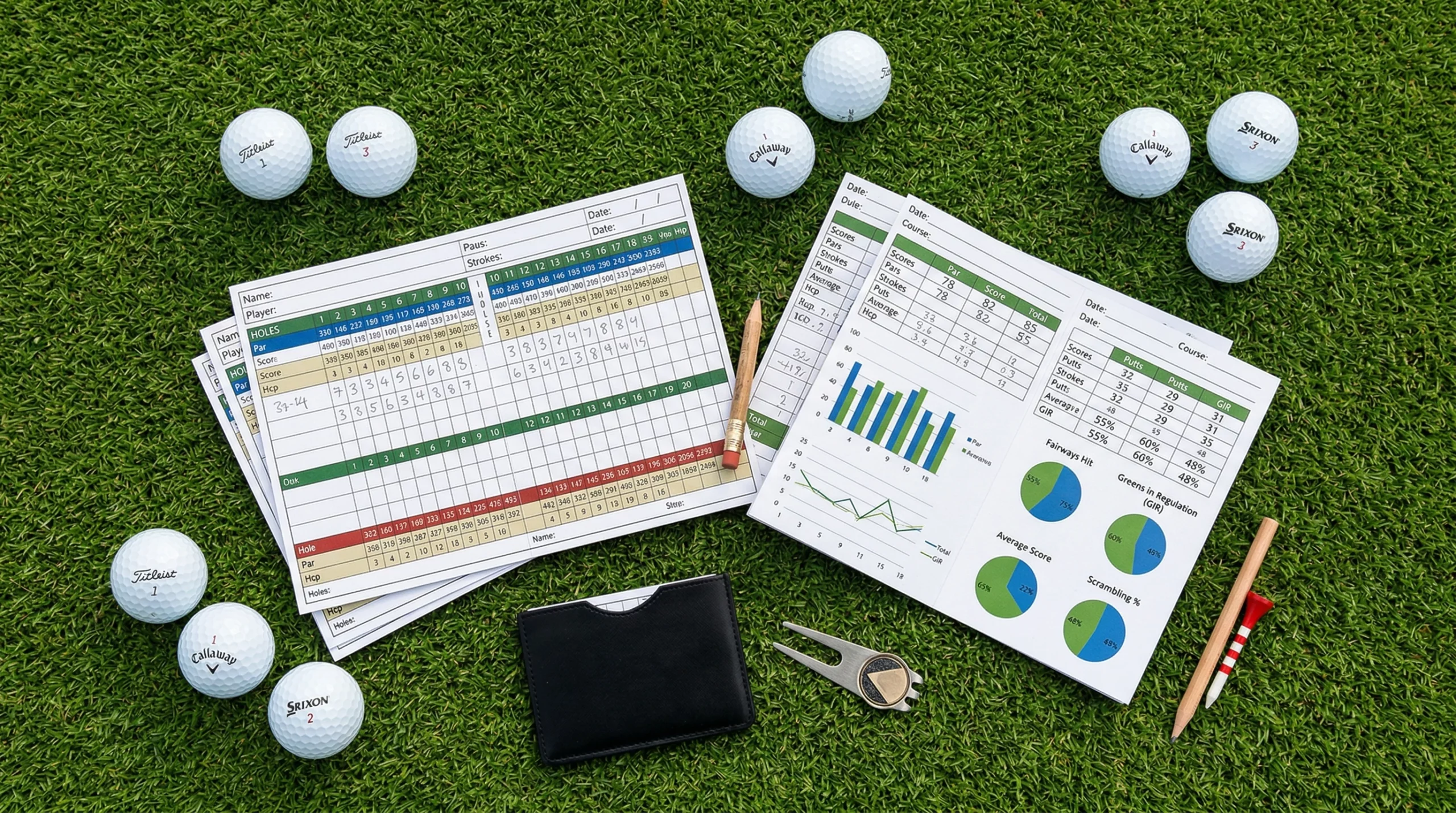
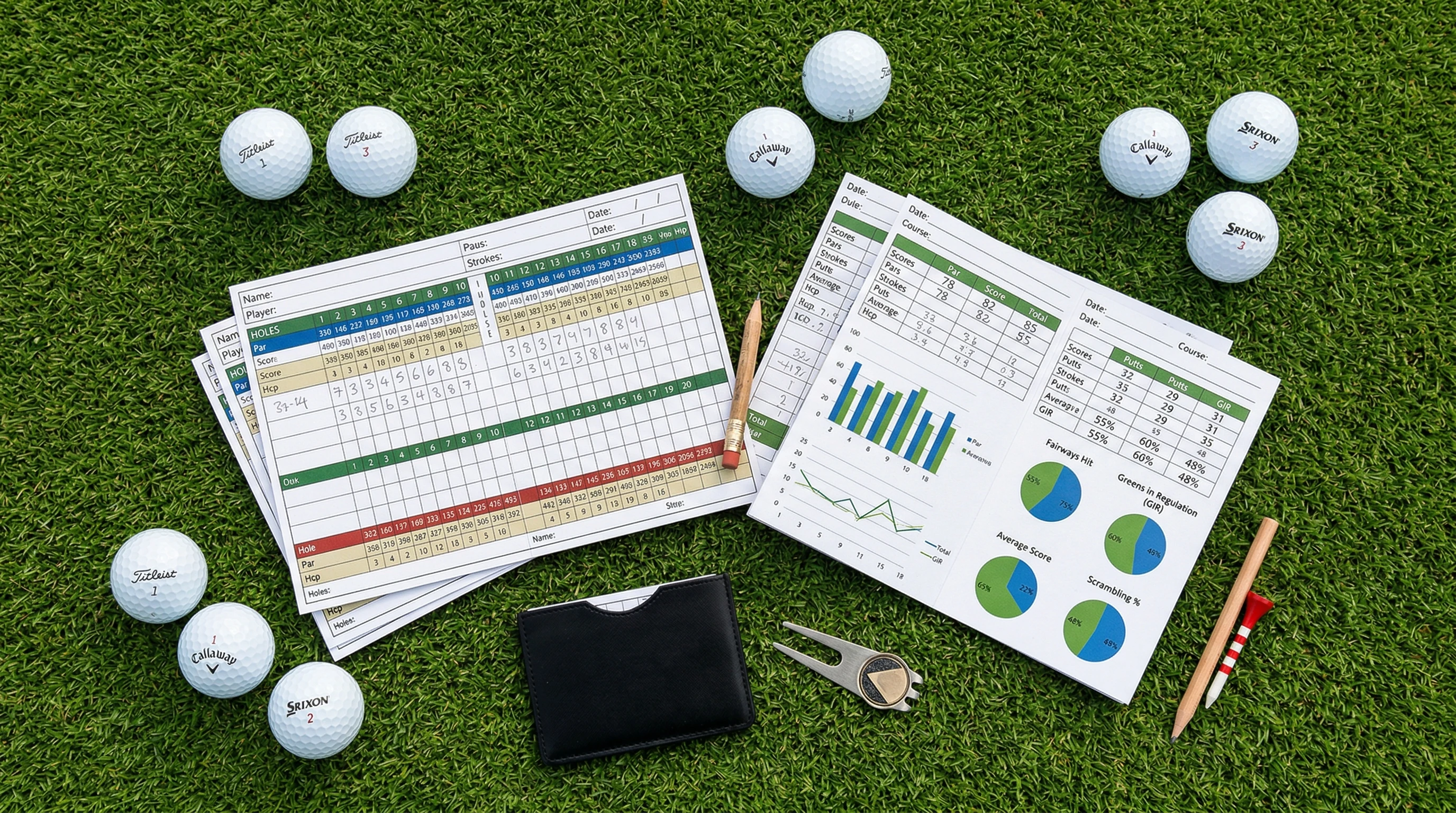
 Golf is one of those sports where small details really add up over time. Tracking your progress on the course gives you a better look at your game and helps you spot where you can shave off strokes. If you just focus on your overall score, you can miss a lot of helpful info. Key performance indicators, or KPIs, give you a clear, trackable way to see which parts of your play are strong and where you could use some work.
If you’re serious about improving, dialing in on the numbers behind your rounds is a super useful habit. I’ve put together a list of the top five golf KPIs that I think every golfer, whether you’re brand new or chasing single digits, should start tracking right away. Checking these over time can highlight your trends, show quick wins, and spotlight those sneaky areas that might hold you back.
1. Fairways Hit: Start Every Hole on the Right Foot
One of the first places I look when breaking down a round is how often I’m hitting the fairway. Fairways hit just means, on par 4 and par 5 holes, your tee shot landed and stayed in the fairway. It’s a simple stat, but it often has a big impact on how your hole plays out.
Missing fairways usually means trouble; you could be chipping from the trees, blocked by hazards, or forcing yourself into weird recovery shots. Tracking your fairways hit percentage for each round will quickly show if you’re giving yourself the best chance right from the start.
How to Track Fairways Hit:
- Count the number of times your drive stays in the fairway, then divide by total par 4 and par 5 holes played.
- Write it down after each round, or use a golf app for automatic tracking.
- Pay attention to patterns. Are you missing mostly left or right? That can hint at a swing issue or a mental block off the tee.
Improving your fairways hit percentage can instantly make your next shot easier and keep you from racking up extra strokes unnecessarily. To add more context, try to note wind or weather conditions for each missed fairway, as these can influence your accuracy but can easily go unnoticed without a written record.
2. Greens in Regulation (GIR): Set Up More Birdie Chances
Greens in Regulation, usually called GIR, is a really telling number for golfers. This stat counts the number of holes where you’re on the green in two strokes under par, so for a par 4, you’re safely on the putting surface after two shots. Higher GIR numbers mean you’re consistently giving yourself a shot at birdie or par.
Missing GIRs means scrambling for up and downs or even just trying to avoid bogey. If you want to drop your scores, raising your GIR percentage is usually a fast way to do it. Tracking where you miss greens—short, long, left, or right—can also give insight into your approach shot tendencies.
How to Track GIR:
- Mark each hole where your ball rests on the green with at least two shots (par 4), one shot (par 3), or three shots (par 5).
- Add up your total greens in regulation, then divide by holes played for your percentage.
- If your GIR count is low, take notes on what’s holding you back. Are you short, long, or missing to one side?
Better GIR stats usually mean smoother rounds and less scrambling from the rough or sand. Being aware of club selection and distance control can help you gradually improve this stat over time.
3. Putts per Round: Get Control of the Green
Putting often makes the biggest difference at the end of the day. Even if your long game is solid, wasting strokes on the green can quickly undo everything else. Counting your total putts per round is an easy way to track whether your putting is helping or hurting your score. You might be surprised how much a single three putt can add up through eighteen holes.
Breaking it down even further, a lot of golfers also track their average putts per green in regulation. This helps you separate bad putting from just missing a lot of greens and having tough chips off the fringe or from awkward distances.
How to Track Your Putts:
- Keep count after every hole for total putts at the end of a round.
- Try to include short and long putt success rates if you really want to dial in.
- Record three putts and track where they happen most often for quick improvement goals.
Watching your putting numbers can help you decide if it’s time to practice lag putts, improve short putts, or sharpen up your green reading skills. Consider auditing your putting pre-shot routine or testing different grips if your stats seem stuck in a rut for several rounds in a row.
4. Up and Down Percentage: Measure Your Short Game Rescue Skills
Even pros miss greens, so being able to get up and down for par (or bogey when things go sideways) is pretty handy. The up and down percentage tracks how often you save par after missing a green in regulation. This means you chipped or pitched on, then made the putt.
It’s a stat that quickly shows how much your short game is bailing you out when your irons or woods aren’t perfect. Chipping and pitching are often where you can make the biggest leaps in lowering your scores—especially if you practice specific lies or tough pin positions.
How to Track Up and Downs:
- After missing a green, mark whether you made par (or better) with one stroke on and one putt.
- Calculate your performance by dividing successful up and downs by total missed greens.
- Focus on types of misses: bunker, rough, or awkward lies, and see if a specific shot is costing you.
If you’re struggling to get up and down, even some basic chipping and putting practice can really move the needle here. Most short game practice pays off quickly—especially if you practice variety from different lies and surfaces around the green.
5. Penalty Strokes: Cut Out the Unforced Errors
Penalty strokes are those annoying extras you have to take when the ball goes out of bounds or in the water. Tracking these helps highlight avoidable mistakes that eat into your score; things like tee shots out of play or careless drops cost you more than just one extra stroke.
Minimizing penalty strokes is super important for lowering scores, especially if you’re fighting to break a scoring barrier. Many players find that focusing on course management can help avoid repeat mistakes on the same holes from week to week.
Ways to Track and Cut Down on Penalties:
- Record each penalty as it happens: water hazards, OB, lost balls, or anything requiring a drop or stroke penalty.
- Review if a particular hole or club is causing more problems than others.
- Play safer to targets or club down to avoid big trouble, especially on riskier holes.
Being aware of your penalty count makes it easier to play smart and keep those extras out of your round. If penalties stack up on specific holes, consider a new game plan that plays to your strengths instead of risking unnecessary trouble.
How to Make Golf Stats Really Work for You
Tracking stats doesn’t have to be complicated. I usually just jot down a few notes on my scorecard after each hole or use a golf stats app for more details. If you start small and focus on these five KPIs, you’ll get a much clearer view of your game. Over time, you’ll see patterns and know exactly where to focus your practice for real improvement.
It’s also fun to set small goals, like boosting your GIR percentage or aiming for fewer than three penalty strokes per round. Watching your progress builds confidence and makes every round more rewarding, no matter what the final score. Over several months, these stats can become a helpful record that tracks your improvement and keeps you motivated, even through the inevitable rough patches all golfers face.
Final Thoughts
Golf gets a lot more satisfying when you can actually see where you’re getting better and where you can make fast gains. These key performance indicators help you take the guesswork out, so every round gives you a little more insight for next time. I’ve personally found that just paying attention to these stats keeps me sharper and way more motivated to practice. Give them a try and see what you stumble upon about your own game! Consistently tracking these numbers will not only add structure to your practice but also make your rounds even more enjoyable, whether alone or with friends.