Golf handicaps can seem like a mysterious mix of numbers, but they’re actually there to help everyone play on a more level field. It doesn’t matter if you play at a country club or meet up every Saturday with friends; a handicap is your ticket to more fun and fair games. This guide will break down exactly what your golf handicap means, how you get one, and how you can use it to get the most out of your rounds.
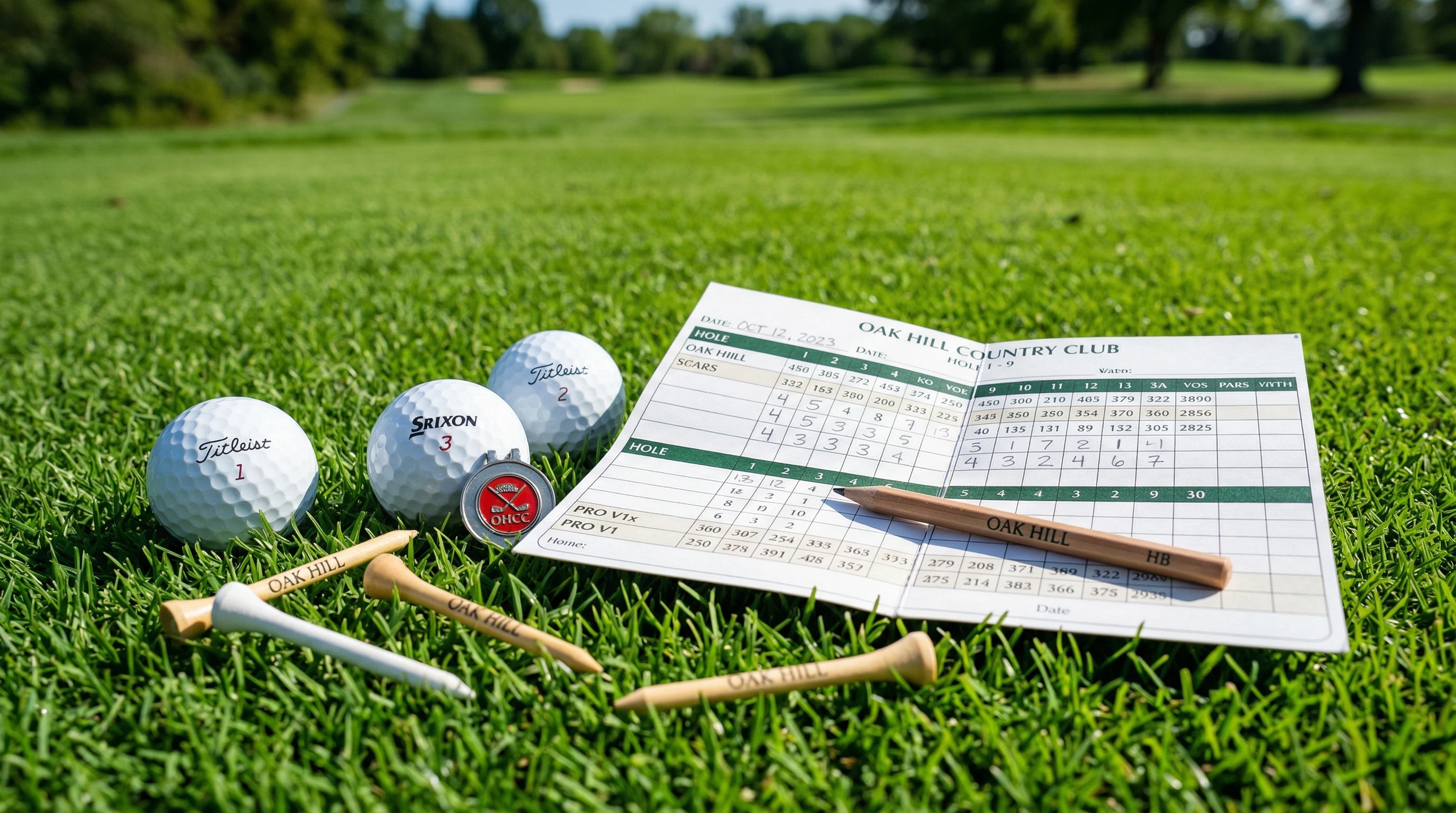
Golf Handicap Explained: Why It Matters
At its core, a golf handicap is a number that shows your potential ability on the course. It helps to even out the difference between players, so a scratch golfer (someone with a 0 handicap) can play against a beginner or an intermediate player and still have an even match.
Handicaps aren’t just about competition; they’re also pretty handy for tracking your progress as you improve. You can see how changes in your swing, putting, or course management affect this simple number over time. That’s why you’ll find people checking their handicaps after almost every round or tournament.
Golf itself has roots that go back hundreds of years, but the handicap system we use today has really taken shape in the last few decades, with official systems like the World Handicap System (WHS) making sure golfers in different places can play fair games, even if they’re thousands of miles apart. The United States Golf Association (USGA) and R&A have combined efforts for one worldwide standard since 2020.
Having a handicap also lets golfers of various skill levels get into both casual rounds and club tournaments, so the game stays competitive for everyone. It bothers some people at first to add up all their strokes honestly, but most golfers appreciate the fairness after a few tracked games.
Getting Your Golf Handicap: What’s Involved
Getting an official handicap isn’t hard, but it does take a bit more than just remembering your best scores with friends. You’ll usually join a golf club or an app/service that is certified by your local or national golf association. Here’s the general process most golfers follow:
- Record Your Scores: Most systems require you to post scores from at least 3 to 5 rounds. The more scores you input, the more accurate your number will be.
- Use Slope and Course Ratings: Your handicap isn’t just about the number of strokes it took; it’s also based on how tough the course was. A course with a high slope rating is tougher for bogey golfers, while the course rating is measured for scratch golfers.
- Submit Scores Regularly: Handicaps update as you play more and enter more recent scores, which helps keep them current and fair.
For U.S. golfers, using GHIN (Golf Handicap Information Network) is common, while other countries have platforms tied to their governing bodies. A mobile app can make entering scores quick, and automatic syncing means less number crunching for you.
If you’re a beginner or casual golfer, many clubs or apps provide simple step-by-step guides, so you’ll get used to the system in no time. Don’t worry if the numbers seem intimidating at first—most of it is done behind the scenes, and you’ll mainly need to remember posting your scores and playing within the basic rules.
How Your Handicap Is Calculated (Without the Math Overwhelm)
If you love crunching numbers, there’s a detailed formula behind handicap calculations, but the main idea is pretty straightforward. The calculation takes your Score Differential (how you scored versus the course’s difficulty), averages out your best rounds, and gives you a number that represents your current playing ability.
- Score Differential = (Adjusted Gross Score – Course Rating) x 113 / Slope Rating
Your Adjusted Gross Score is your actual number of strokes, sometimes with adjustments made for pace of play or maximum hole scores (thanks to the Equitable Stroke Control or Net Double Bogey Rule).
The World Handicap System uses your lowest 8 differentials out of your most recent 20 rounds, then averages them for your current index. If you don’t have 20 yet, the formula adjusts for a smaller sample size. These updates help keep your handicap in step with your game as you improve, take breaks, or just play different courses.
Common Handicap Numbers and What They Actually Represent
Golf handicaps can range from +5 (better than scratch) all the way up to 54 for beginners. The average male golfer in the U.S. usually sits around 14-15. For women, it’s closer to 27-28, according to USGA data.
- Scratch Golfer (0 Handicap): Consistently shoots par across different courses.
- Single Digit Handicappers (1-9): Competitive golfers who routinely break 80; usually the people you want on your scramble team.
- Mid Handicappers (10-19): Play solid golf, might shoot in the low to high 80s or even sneak into the 90s on a tough day.
- High Handicappers (20+): Anywhere from just learning the game to those who play more for fun than numbers.
Your number isn’t a label, just a reference for what you can shoot on your better days. No judgment. It’s totally normal for your number to go up and down a few notches during a season depending on practice time, lessons, or even just a good or bad swing streak.
How to Use Your Handicap in Real Games
Once you have your handicap, there are several ways to use it on the course, especially if you play in leagues, tournaments, or casual games with buddies.
- Net Scores: Subtract your handicap from your total score to get your “net” score, which makes competition fair against players of all skill levels.
- Pops and Stroke Holes: In match play or skins games, you might get one or more “pops” (extra strokes) on certain holes. These are usually given out based on stroke index/order on the scorecard; the hardest holes hand out the first strokes.
- Team Play: Formats like bestball or scramble often use handicaps to balance teams and create more fun, close matches.
Posting your scores honestly—taking accurate drops, putting out putts, and playing by the rules—means you and your friends get the full value of what a handicap system has to offer.
Things That Can Affect Your Handicap
Several factors can make your handicap swing up or down, so it’s smart to know what can come into play:
- Course Difficulty: Playing a really tough course and posting your scores helps keep things fair if you tee it up elsewhere next time.
- Weather Conditions: If you played during heavy rain or wind, some systems allow for “exceptional score” adjustments if the whole field struggled.
- Taking a Break: Scores from months (or even years) ago eventually drop out, so breaks from golf can lead to a slightly outdated index.
Getting to know these details helps you keep your expectations realistic and track your real improvement on the course.
Course and Slope Ratings
The numbers on every course scorecard—Course Rating and Slope Rating—actually matter a lot. The Course Rating is what a scratch golfer expects to score on that layout. The Slope Rating (from 55 to 155) measures how much tougher the course is for bogey golfers compared to scratch players. The average is 113, and that’s used in the math to make things fair across every course you play.
Posting Only Home Course Scores
It’s a good idea to play different courses now and then. Only posting rounds from your home course can lead to a handicap that doesn’t really show how well you can adjust and play on a variety of tracks. Taking your game on the road helps your handicap become a real reflection of your overall skill and adaptability to different course layouts or playing conditions.
What a Good or Bad Handicap Means (And Why It’s Personal)
Some people get hung up on what qualifies as a “good” handicap. In reality, the best comparison is you versus yourself last year or last month. While +3, 0, or singledigit handicaps can look cool, what matters most is progress and enjoyment. If your number is dropping, you know your practice is paying off. If it creeps up, maybe it’s time for a lesson or a range session.
Tracking your own adventure makes improvement more fun. Plus, lower numbers only matter if you feel like you’re enjoying the path you’re on. Keep improving at your own pace, set targets that make sense for you, and try not to stress too much about what others shoot. Golf is known for being both challenging and rewarding, and your handicap is just one part of that ongoing ride.
Practical Tips for Keeping a Fair and Useful Handicap
- Always post every eligible round, even if you had a rough day. The system is designed to work over time, not just after your best rounds.
- Learn local rule differences, like how some clubs handle “winter rules” or temporary greens, and adjust scores as needed.
- Update your scores regularly instead of waiting months between entries.
- Ask a club pro or use golf forums if you’re not sure about posting rules or handicap questions.
- Be honest in scoring and putts. If you struggle with a particular rule or have a tricky situation, check in with a more experienced player for guidance so your numbers stay accurate.
How Handicaps Make Group Games More Fun
Handicaps breathe life into skins games, ladders, and weekly leagues by making every match competitive. Even a big gap in skill levels can become a tight battle with pops doled out on the right holes.
Plenty of apps now make it easy to handle group scoring, keep everyone’s numbers updated, and add a little friendly competition. Chat about who gets their “strokes” before you start, post every score, and celebrate when someone sets a personal best, no matter what the index says. Embracing the benefits of the handicap system often means more people can join in and have a blast—no matter how long they’ve been playing.
Frequently Asked Questions
Question: Can I get a handicap even if I don’t belong to a golf club?
Answer: Yes, many golf associations let you use online services or apps to track your handicap, even if you’re not a club member. Check options through your country’s local golf body for details.
Question: Does my handicap show what I’ll shoot every round?
Answer: Not really. Your handicap represents your “potential”; what you might shoot on a betterthanaverage day. It’s pretty normal to go a few shots above or below, depending on how well you play that day.
Question: Can my handicap go up if I play badly for several rounds?
Answer: Yes, handicaps will naturally rise if your recent rounds are higher than your average. That’s how the system accounts for dips in form or long layoffs.
Final Thoughts
A golf handicap is more than just a number on a scorecard; it’s a tool to help you track your progress, enjoy fair competition, and get the most out of your rounds. Whether you’re new to the game, trying to shave off a few strokes, or just looking for a fair match, understanding your handicap keeps the game fun and relatable for every player. Keep learning and enjoy the ride each time you tee it up!