Statistical analysis in golf has gotten a lot of attention lately, and with good reason. Whether you play, coach, or just like to follow the game, looking at golf data lets you spot patterns and make smarter improvements. The numbers don’t just sit there; they offer clues about a player’s strengths and areas that need work. So, if you’re interested in understanding how to use statistical basics with golf scores, shot data, or your own playing history, I’m going to break it down in a way that’s easy to follow—even if you haven’t taken a math class in years.
Why Statistical Analysis Is Worth Your Attention in Golf
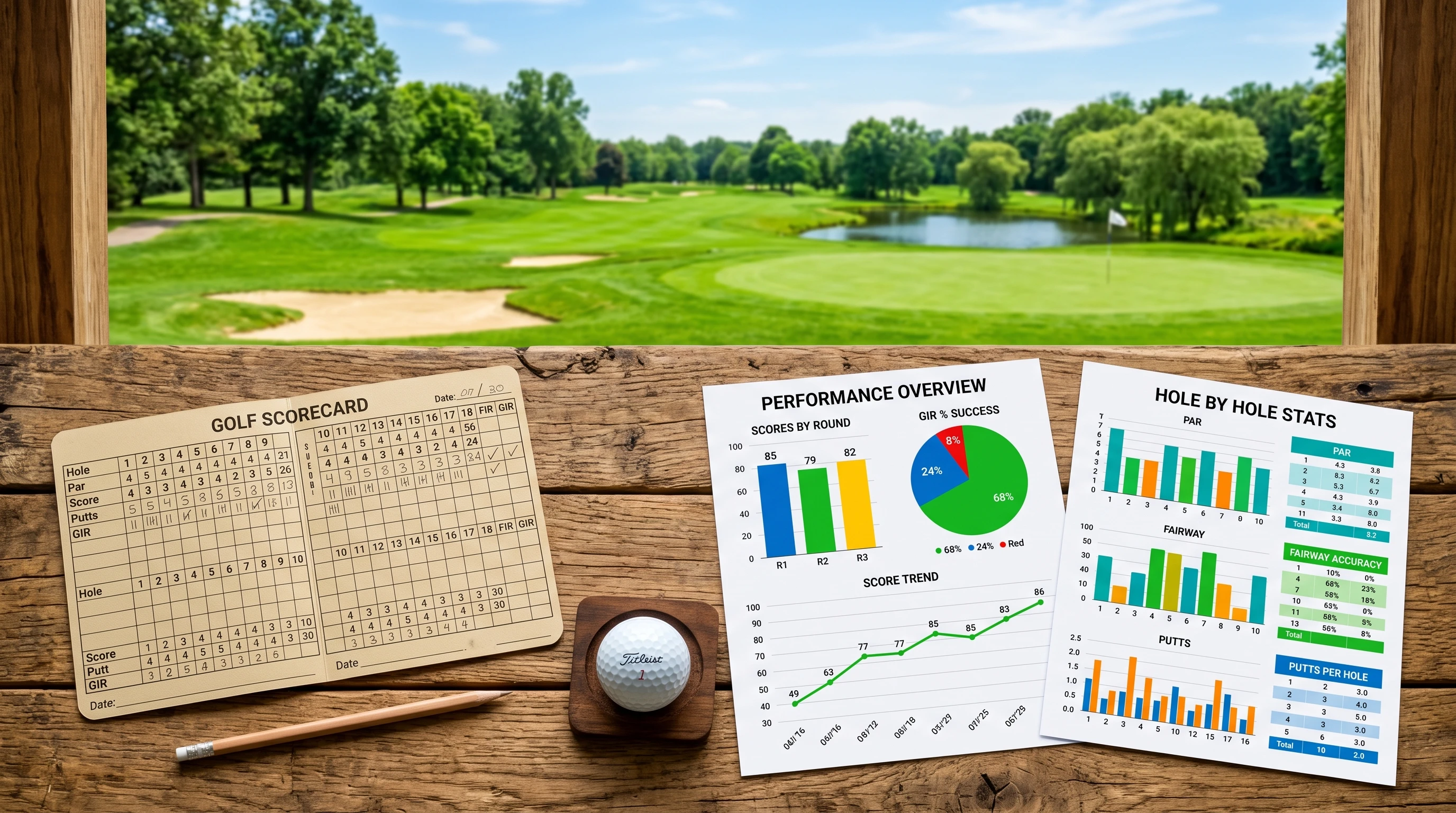
Golf is a numbers-heavy game, but numbers are only helpful if you know how to interpret them. In recent years, the rise of GPS devices, tracking apps, and detailed scorecards has made data collection easy for everyone from pros to weekend golfers. But even with all this data, it’s key to understand the basics of what you’re looking at.
Many coaches and tours now use these analytics to set training priorities and design practice routines. The PGA Tour, for example, tracks countless stats like driving accuracy, greens in regulation, and strokes gained. Even for casual players, reviewing simple stats, like average putts per round or fairways hit, can offer some real insights that make both practice and playing more rewarding.
Golf data isn’t just for showing off what you did well last weekend. Looking at trends in your rounds can make each practice session more useful, help you avoid repeating mistakes, and even make those friendly matches more competitive. Many golfers find it satisfying to watch their improvement over time—turning a tough game into a pursuit of personal progress.
Core Golf Statistics You’ll See Again and Again
Before you get too deep into the numbers, it helps to know what the most common golf stats mean. Here are a few terms and calculations you’ll see pretty often:
- Scoring Average: Your total number of strokes divided by the number of rounds played. This is the basic measure of performance for most golfers.
- Fairways Hit Percentage: The percentage of tee shots from par-4 and par-5 holes that land on the fairway.
- Greens in Regulation (GIR): This measures how often you reach the green in the expected number of strokes (par minus two).
- Putts per Round: Simply the average number of putts you take during your rounds.
- Strokes Gained: A newer metric comparing your performance in specific areas to a reference group, like the PGA Tour average.
Once these basics become familiar, you’re in a much better spot to use statistical analysis to see real improvement. Knowing your stats inside and out can help you set realistic goals and spot where your game can get a real boost.
Getting Started with Statistical Analysis for Golf Data
If you’re looking to build your own collection of stats or want to get more out of your golf app, starting with a few easy steps will go a long way.
- Record Your Data Consistently: Write down scores, fairways hit, greens reached, and putts for each round. Consistency makes it easier to spot patterns over time.
- Choose a Tracking Tool: Whether you go with a paper scorecard, a spreadsheet, or an app, stick with something simple enough that you’ll actually use it.
- Review Your Stats Regularly: Schedule a quick review every few rounds to notice trends. Are putts increasing, or are you missing more fairways lately?
- Set Clear, Trackable Goals: Instead of “improve my game,” try “raise my fairway percentage by 10% in the next three months.”
- Focus on the Trends, Not One-Offs: Don’t stress over one bad round. Patterns over several rounds matter a lot more than outliers.
Many golfers are surprised by how much simply paying attention to the numbers can change their approach. Even basic tracking can show you nuances of your game you might have missed—and it makes practice far more targeted.
Common Statistical Methods Golfers Can Use
Even if you’ve never run statistical analysis before, some simple techniques will give a surprisingly clear view of your game.
- Averages: Calculate averages for different metrics like score, putts per round, or greens in regulation. Averages give you a baseline for future improvement.
- Percentage Calculations: For stats like fairways hit or greens in regulation, dividing the number made by the number available tells you where you stand.
- Scatter Plots: Simple graphs help visualize shot patterns. For example, plotting where your drives land can quickly show if you have a tendency to miss right or left.
- Tracking Progress Over Time: Following your stats by week or month can highlight if you’re actually getting better, or just feeling more confident in your game.
- Comparisons: Sit your stats next to last season’s numbers, or compare with a group average to see how you stack up against your peers.
Learning to use simple statistics can make the long game more manageable, and it provides a fun, data-driven way to challenge yourself. Many golf apps now include these features by default, making it easier than ever to get into the data without feeling overwhelmed.
What to Look Out for When Analyzing Golf Data
Working with your data can throw up some challenges. Here’s what I’ve noticed from first-hand experience with both casual and serious players:
- Data Entry Errors: Accidentally recording wrong numbers throws everything off, so double-check scores before you tally things up.
- Sample Size Problems: Analyzing five rounds won’t give the same clarity as reviewing fifty. More rounds mean more reliable trends.
- Context is Important: Weather, course difficulty, and who you’re playing with can all influence stats. Not every off day means your swing fell apart.
- Chasing One Stat Too Hard: Focusing only on one area, like lowering putts, might hurt your driving or approach play. Keep a balanced view of your performance, and you’ll improve across the board.
Consistency Matters
Missing rounds or recording stats differently each week makes it tough to spot trends. I’ve always found that a little routine goes a long way; use the same scorecard format and review it at the same time each week if you can. This builds habits that support long-term growth in your game and helps keep the whole analysis process stress-free.
Understanding Outliers
Everybody has a disastrous hole now and then. If you see stats that are way outside your normal range, it can help to mark them so you don’t let one bad number drag down your averages. Remember, improvement is about the bigger picture, not individual mistakes.
How Statistical Analysis Impacts Real-World Golf Improvement
Looking at your stats isn’t about becoming a robot or making golf boring. I’ve seen plenty of regular golfers use these basics to get a handle on where to spend their practice time, leading to lower scores and a lot more fun on the course. This data-driven approach has helped many boost their motivation and stay engaged.
- Practice Efficiency: Seeing that most bogeys come from missed greens helps you focus on approach shots during practice.
- Strategic Planning: Noticing you almost always miss fairways to the left can help you adjust your stance or aim to correct that miss.
- Confidence Building: Watching your averages improve gives a real boost, even if tournament scores take a little longer to catch up. Small, steady progress can make a big difference in your overall enjoyment.
Statistical analysis also gives you a clear record of the time and effort you put in. Over the course of a season or a year, you can look back and see tangible evidence of how far you’ve come. This alone is enough to keep many golfers committed through ups and downs.
Frequently Asked Questions
Here are a few common questions that come up when golfers first start analyzing their stats.
Question: How much data do I need before stats become useful?
Answer: While more data helps, even tracking five to ten rounds starts to show helpful insights. Over a season, the picture gets much clearer and the patterns get easier to spot.
Question: Are golf stats only for low-handicap players?
Answer: Not at all! Beginners often get the most from tracking basics, since trends can be spotted and fixes applied quickly—even for new golfers.
Question: Which golf stats should I track if I only have time for a few?
Answer: I’d start with scoring average, putts per round, fairways hit, and greens in regulation. These basics already highlight most improvement areas and make your progress simple to follow.
Wrapping Up: Making Golf Stats Work for You
Understanding the basics of statistical analysis in golf opens up all sorts of possibilities to get better at the game. It turns the mountain of data into something friendly, manageable, and surprisingly practical. The best part? You don’t need fancy software or lots of extra work; just a willingness to keep track and review.
Tracking your scores and practicing with a bit of purpose makes each round a bit more rewarding and can even boost your enjoyment of the game. If you decide to get into more advanced stats down the road, like strokes gained or launch monitor numbers, you’ll already have the foundation you need. So go ahead, grab a notebook or your favorite app, and give your golf game some data-driven attention. It’s pretty satisfying to see the progress, and it can make those weekend rounds mean a whole lot more.