Wearable tech has been shaking things up on the golf course lately. From smartwatches that double as caddies to swing sensors the size of a coin, these gadgets are becoming pretty common among golfers trying to improve their game. I’ve spent a fair bit of time exploring how this new tech works and what it means for both weekend warriors and scratch golfers. I’m going to break down the big changes that wearable tech is bringing to golf performance analysis, show you how these tools are used, and highlight some cool features that make them worth checking out.
The Growth of Wearable Tech in Golf
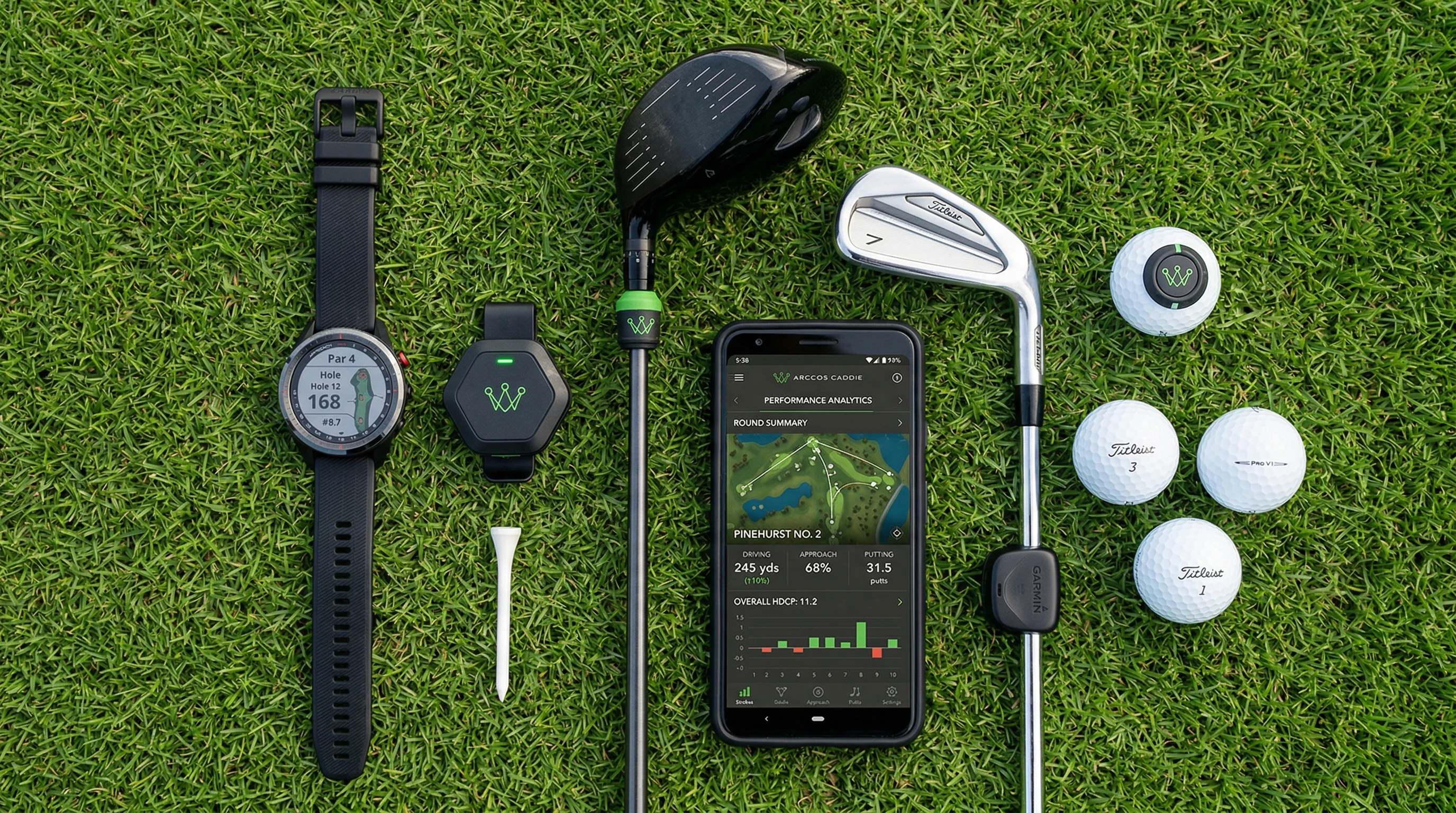
Golf has always relied on technique, practice, and a little bit of intuition. Now that tech is in the mix, there’s a lot more data to help guide those instincts. Industry reports suggest the global sports wearables market is worth over $36 billion, and golf is a big part of that. GPS watches, swing trackers, and shot analyzers are showing up in golf bags everywhere. Big brands like Garmin, Shot Scope, and Arccos have each developed wearables that fit right into your regular golf routine, but add a layer of performance tracking that used to cost a fortune or require professional coaching sessions.
The push toward wearable tech started with basic GPS rangefinders, but quickly moved into analytics. Now, you can get full reports on your swing, your putting accuracy, and even your distance off the tee. All this data shows up on your wrist or through an app on your phone. This new level of detail is helping amateurs play smarter and pros get even more accurate about their strengths and weaknesses. Even casual players can now track trends in their games, keeping their progress measured in real-time instead of relying on memory.
Key Types of Wearable Golf Tech
There’s a growing list of gadgets for golf performance analysis, so I’ll walk you through the main types you’re likely to run into:
- GPS Watches, These provide quick, at-a-glance yardages to hazards and greens and keep track of your score and stats.
- Swing Analyzers, These are small devices that usually clip onto your glove or club, measuring swing speed, plane, tempo, and face angle.
- Shot Tracking Sensors, These go on your clubs’ grips and automatically track every shot you take, building a map of your round and letting you review club performance later.
- Smart Insoles, Less common, but these measure weight transfer during your swing and can help with balance and footing issues.
Each tech category is meant to give you extra info during your round and more details to review after the fact. The technologies are constantly upgrading, getting lighter, longerlasting on a single charge, and, thankfully, easier to use with apps that don’t take a computer science degree to figure out. Gone are the days of bulky gadgets. Today’s wearables slip seamlessly into your gear so you hardly notice them until it’s feedback time.
How Wearables Are Used in Real-World Golf
Most golfers start with a watch or a swing analyzer to check yardages or work on a slice. I tried out a swing sensor during a practice session and was surprised at how much insight it offered. It pointed out that my tempo was way too fast on short shots and my backswing sometimes kept creeping longer with my driver. With a few drills using the gadget’s suggestions, I actually started seeing straighter shots and better contact. The learning curve isn’t steep, and you find that after a couple of rounds, looking for feedback from your device becomes second nature.
Advanced golfers often move up to a full set of shot tracking sensors, which lets them analyze club distances, pinpoint weaknesses, and even simulate round strategy. Some devices automatically track scores and stats, so you end up with charts and heat maps showing where you lose the most shots. Golf coaches are also catching on, using data from wearable tech during lessons to provide targeted advice. I’ve sat in on coaching sessions where a swing analyzer’s 3D visualizations let players see exactly how a posture adjustment affected their shot. These visuals can make the difference between a frustrating plateau and a breakthrough in your game.
Core Features to Look For in Golf Wearables
Tech changes fast, but some features in golf wearables really add value. Here are a few to focus on if you’re thinking about picking one up:
- Easy Syncing, Wearables that pair quickly with your smartphone app save time and hassle, so you spend less time messing with settings and more time practicing.
- Long Battery Life, Some GPS watches give 10+ hours tracking per charge. That’s enough for even the slowest rounds or practice marathons—plus you won’t be constantly worrying if it’ll last.
- Allinone Analytics, Look for devices that break down your swing into easytounderstand stats and visuals. Custom coaching tips or guided drills right in the app are pretty handy, too.
- Water and Weather Resistance, Golf doesn’t stop for a little drizzle, and your wearable shouldn’t either. Ruggedness is a plus and keeps your device safe even in rough conditions.
- Course Coverage, Make sure the device has maps for your local and bucketlist courses. Most leading brands update courses regularly, so doublecheck before buying.
Some higherend models offer voice prompts or vibration alerts, which add convenience and let you keep your attention on your next swing rather than digging into menus midround.
Things to Keep in Mind Before Using Golf Wearables
As much as I enjoy new gadgets, there are a few things worth considering before you jump in. Not every wearable is right for every golfer, and there are common issues that pop up:
- Data Overload, More information is good up to a point, but too many stats can make you overthink on the course. Stick to one or two performance goals at a time.
- Comfort and Fit, Bulky sensors or watches that dig into your wrist can get annoying. Try stuff out to check what feels right for you over 18 holes.
- Device Accuracy, Entry-level wearables might not be as accurate as top-tier models. Checking reviews or testing a friend’s gadget beforehand is always smart.
- Batteries and Charging, Long battery life is important, but you’ll still need to make sure everything’s charged before play. Bringing a backup charger on golf trips goes a long way.
Data Overload
The biggest pitfall I’ve bumped into is getting distracted by the sheer volume of stats. Analyzing every detail can suck the fun out of a casual round and disrupt focus. Limiting your tracked metrics to just one aspect, like driving accuracy or putting, per round keeps things manageable and helpful rather than overwhelming. That simple adjustment makes the experience far more enjoyable and keeps you motivated instead of buried in numbers.
Comfort and Fit
A poorly fitted wearable, especially a wrist device or bulky swing sensor, can get in the way of your natural swing. Wearing something around the driving range is one thing, but keep in mind how it’ll feel for four hours on course before you commit. Some companies offer different band sizes or even flexible sensor options, so pay attention to those details when choosing your wearable.
Accuracy and Calibration
Getting the device calibrated and set up correctly is pretty important. I learned this the hard way when my first session with a swing analyzer was all over the map because of a missed update. Most brands run regular firmware updates, so keeping up with those helps keep data clean and meaningful. Sometimes, a simple re-sync or update ensures your swing stats aren’t giving you misleading feedback.
Batteries and Charging
No one likes finding out their swing data for the day got lost because the sensor died halfway through the round. Charging devices the night before and packing a spare power bank is just good prep and lets you focus on your game. Seasoned golfers often keep a small charger in their bag, just in case, so they’re never caught off guard midround.
None of these issues are dealbreakers. Being aware of them, though, can help you avoid headaches and get more out of your investment. Doing a little research and prep before you commit to a device will pay off during your rounds and practice sessions.
Advanced Tips for Using Golf Wearables
Now that wearables are more than just fancy step counters, learning how to maximize their value can definitely help your game. Here’s what I’ve found super useful after several months of experimenting:
- Customize Mode Settings, Many wearables let you pick focus modes like practice mode, course mapping, or even detailed putting analysis. Adjust these to match your practice goals and keep your information relevant and actionable.
- Keep a Simple Stat Focus, Focus on one or two metrics at a time, like swing tempo or approach accuracy, so your practice drills actually lead to improvement rather than frustration.
- Review Rounds Afterward, Using the linked app to break down your round is way more effective later, when you can identify patterns without the pressure of an active round. This review lets you track both progress and recurring pitfalls.
- Set Achievable MicroGoals, Wearable data is best used to build a set of small, practical goals. Hitting more fairways or shaving a couple of strokes off your putting average each month is more realistic (and satisfying) than obsessing over making every stat perfect. Small wins add up, boosting both confidence and enjoyment.
Additionally, don’t forget to regularly check for software updates and read over the newest app features. Manufacturers roll out new capabilities frequently, and staying current helps you make the most out of your investment. Share your experiences and stats with friends or a coach for some accountability and fresh perspectives on your progress.
Common Questions About Golf Performance Wearables
I get a lot of questions about the daytoday experience of using these gadgets. Here are answers to a few that pop up all the time:
Question: Do I need tech experience to use golf wearables?
Answer: Not really. Most devices today are designed to sync quickly and guide you through setup. If you can use a smartphone, you’re all set.
Question: Will a wearable really help lower my scores?
Answer: Wearable tech gives helpful feedback, but your scores will drop if you use that feedback to drive good practice habits. The data itself isn’t magic. It’s what you do with it that matters most.
Question: Can these gadgets be used in tournaments?
Answer: Some smartwatches and GPS devices are approved for tournament use, but swing analyzers and shot trackers might not be. Always check the event’s equipment rules before using tech on competition day so you don’t risk a penalty.
How Wearable Golf Tech Is Making a Difference
Tech tools like Arccos Caddie and Shot Scope have changed how many players approach practice. I’ve seen friends gain confidence in their club selection by reviewing shot data, and more golfers realize how much time they spend searching for balls that could be spent working on their short game. The real benefit comes from combining reliable feedback with targeted practice; something that’s never been easier or as affordable for regular folks as it is now.
Wearable tech in golf is really about giving players clear, unbiased feedback and helping golfers of all skill levels take control of their improvement. The mix of instant data and longterm tracking keeps things motivating and makes even solo rounds more interesting. Tracking your progress with wearable tech is a practical way to see what works, where you slip up, and what can be tweaked to shoot lower scores. Staying curious and open to new features can help you make steady strides toward better play while enjoying the process along the way.